Go to virtual 3D site
Tuesday, 7 April 2026 to Thursday, 9 April 2026

Posters

Michela Cerone
Imperial College London
1Harnessing human complement activation in the Anopheles gambiae midgut to target Plasmodium falciparum
Rebecca Edgar
University of Dundee
2Developing a cell painting assay for Plasmodium falciparum drug discovery
Maria Sol Ballari
Universidade de São Paulo
Brazil
3Disruption of sulphur amino acid pathway affects metabolism in Trypanosoma cruzi
Janaina de Freitas Nascimento
Instituto de Química - USP
Brazil
4Functional profiling of amino acid metabolism in Trypanosoma cruzi using Bar-seq CRISPR-Cas9 screening
Natalia Kraeva
Life Science Research Centre,University of Ostrava
Czechia
5Generation of NIPSNAP-deficient and tagged Leishmania mexicana lines for target validation studies
Sarah Stevens
University of Dundee
6Cryptosporidium Oocyst Wall Proteins are true components of the oocyst wall
Mauro Pazmino
University of Glasgow
7Effects of temperature fluctuations and humidity variation on survival of two Anopheles malaria mosquito species
Htay Mon Aye
University of York
8Specialised RNA decay finetunes monogenic antigen expression in African Trypanosomes
Jenavine Onyinye Mbah
University of Calabar
Nigeria
9in vivo, in vitro and molecular docking of Carissa edulis leaf extract against filaria parasite
Li An Cowley
University of Glasgow
10Heligmosomoides polygyrus extracellular vesicles as modulators of the host immune system and platforms for multivalent vaccines
Jeziel Dener Damasceno
University of Glasgow - SII
11High-throughput analysis of single Leishmania cells reveals the complex nature of DNA replication timing control.
Cara McGhee
University of Strathclyde
12Investigating the Pathogenicity of Acanthamoeba through their immunotranscriptome
Will Anderson
University of Glasgow
13Gastrointestinal organoids as in vitro platforms for vaccine development against helminth parasites
Emilee Benos
University of Edinburgh
14Mapping the exposome of Zimbabwean preschool-aged children (PSAC) using a novel peptide microarray approach
Jessica Macluskie
Manchester Metropolitan University
15Helminth-derived antigens as immune modulators in metabolic disease: development and optimisation of an in vitro assay approach
James Cotton
University of Glasgow
16Does Psoroptes ovis resistance to macrocyclic lactones involve changes to the cuticle?
Piyas Mukherjee
Technical University of Munich
Germany
17Application of Oxford Nanopore sequencing in transcriptomics profiling of Schistosoma sp. life cycle stages, and development of molecular diagnostics
Vinoth Kumarasamy
National University of Malaysia
Malaysia
18Effects of Blastocystis sp. ST4 on colon cancer cell viability
Leon Walther
University of York
19VEX2: A rogue helicase rewriting Eukaryotic rules for immune evasion
Benjamin Phipps
University of Georgia
United States
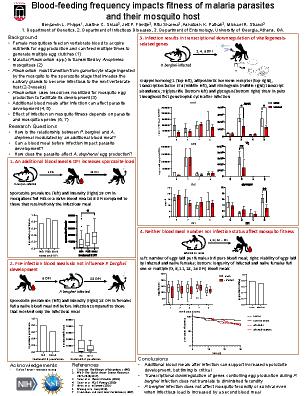
20Blood-feeding frequency impacts fitness of malaria parasites and their mosquito host
Lenka Richterova
Bulovka University Hospital
Czechia
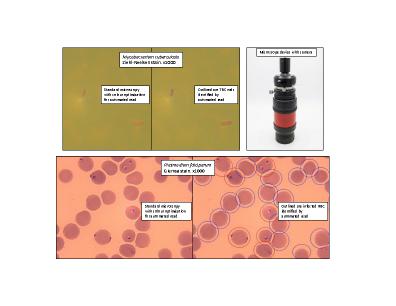
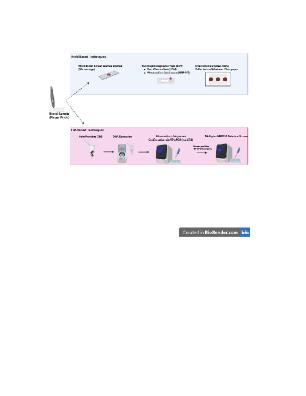
21Portable microscopic solution with local AI image analysis for field diagnostics of Malaria and Tuberculosis
Hamed Eid Ali Alkhalaf
University of Glasgow
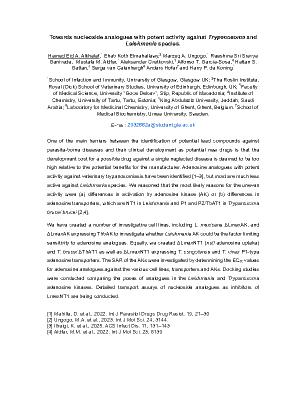
22Towards nucleoside analogues with potent activity against Trypanosoma and Leishmania species.
Sam Jones
Liverpool School of Tropical Medicine
23Tracking hybrid Schistosomes from Bulinus spp. snails from Malawi
Heledd Eavis
University of Cambridge
24The role of the ubiquitin pathway in Plasmodium endocytosis and drug resistance
John Archer
University of Glasgow
25Application of ‘Nemabiome’ deep amplicon sequencing together with other ‘omics approaches to investigate anthelmintic resistance in livestock gastrointestinal nematodes across Europe and Anatolia
Michela Tecco Ruiz
Aberystwyth University
26FlukEEE: Exploitation of Extracellular Vesicles via Ellipsometry – Diagnostics of the Liver Fluke
Wenn-Chyau Lee
Universiti Malaya
Malaysia
27Type II rosetting in malaria immuno-pathobiology: an “immuno-hijack” strategy by the parasite
Grace Plahe
Manchester Metropolitan Univeristy
28Characterisation of Whipworm host defence peptides: novel opportunities for parasite control?
Nusrat Jahan
Govt. College University
Pakistan
29Larvicidal activity of Syzygium aromaticum essential oil based nanoemulsions against Aedes aegypti in Pakistan
Mukul Rawat
University of Dundee
30Resistance to PfGCN5-inhibitor L45 involves a novel mitochondrial carrier protein in Plasmodium falciparum
Conor Noonan
Royal Veterinary College
31De Novo assembly and comparative analysis of poultry-infecting Eimeria genomes support insights into drug resistance and precocious development
Giovanna Parmegiani
Butantan Institute
Brazil
32Linking RPA and R-loops in Trypanosoma cruzi
Poppy Lamberton
University of Glasgow
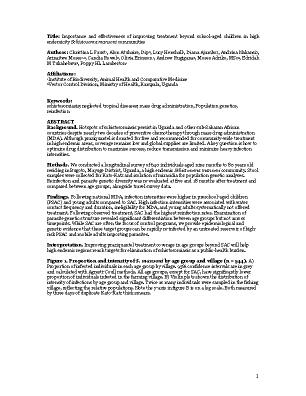
33Importance and effectiveness of improving treatment beyond school-aged children in high endemicity Schistosoma mansoni communities
Nonlawat Boonaylai
University of Dundee
34Accelerating malaria drug discovery with Antimalarial Resistome Barcode (AReBar) sequencing cross-resistance profiling
Alyssa Winder
Liverpool School of Tropical Medicine
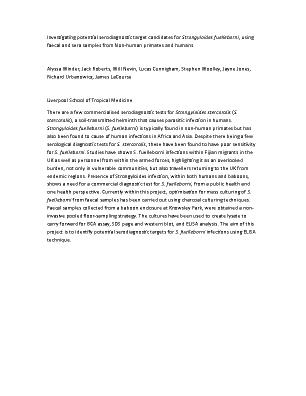
36Investigating potential serodiagnostic target candidates for Strongyloides fuelleborni
Daisy Namirembe
Mbarara University of Science and Technology
Uganda
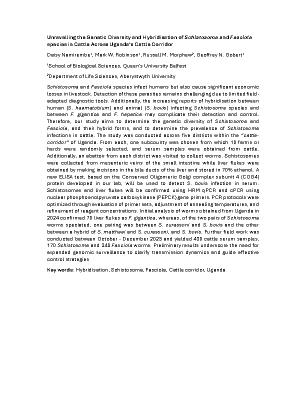
38Unravelling the genetic diversity and hybridisation of Schistosoma and Fasciola species in cattle Across Uganda’s cattle corridor.
Artur Corrêa
Butantan Institute
Brazil
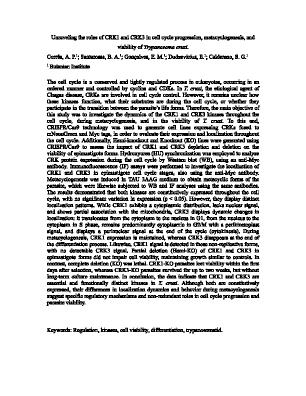
39Unravelling the roles of CRK1 and CRK3 in cell cycle progression, metacyclogenesis, and viability of Trypanosoma cruzi
Eva Tydén
Swedish University of Agricultural Sciences
Sweden
40Novel β-tubulin mutations and haplotype sweeps characterize benzimidazole resistance in Parascaris univalens
Jed Hawes
University of Dundee
41Targeting epigenetics for antimalarial development
Charlotte Willoughby
University of Edinburgh
42Invisible Malaria: characterising the pfhrp2/3 gene deletion in Plasmodium falciparum undermining rapid diagnostic test (rdt) accuracy in Uganda.
Supriya Khanra
University of Glasgow
43Multi-omics profiling reveals Sterol C22-Desaturase loss as a mechanism of Amphotericin B resistance in Leishmania infantum
Omar Janha
Keltic Pharma Limited
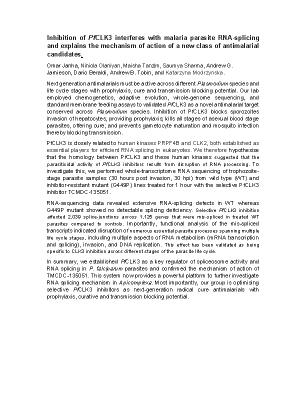
44Inhibition of PfCLK3 interferes with malaria parasite RNA-splicing and explains the mechanism of action of new class of antimalarial candidates.
Monika Singh
UNIVERSITY OF GLASGOW
45Functional analysis of novel wing domain subunits in the Toxoplasma gondii ATP synthase complex
Yue Lan
University of Glasgow
47Splice up your life: an iron-regulated splicing factor in Toxoplasma gondii
Sophia Fochler
University of Bern
Switzerland
48Towards a mechanism of waveform-switching in the motile flagella of trypanosomatids, from cyclic-AMP signal to dynein motor
Omar Janha
Keltic Pharma Limited
49Inhibition of PfCLK3 interferes with malaria parasite RNA-splicing and explains the mechanism of action of a new class of antimalarial candidates
Federica Giordani
University of Glasgow
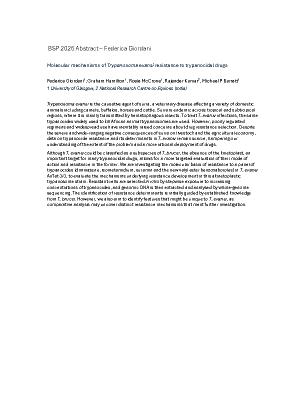
50Molecular mechanisms of Trypanosoma evansi resistance to trypanocidal drugs
Kevin Kidambasi
University of Edinburgh
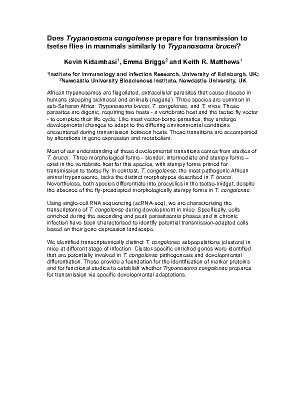
51Does Trypanosoma congolense prepare for transmission to tsetse flies in mammals similarly to Trypanosoma brucei?
Shrefa Hadadi
University of Glasgow
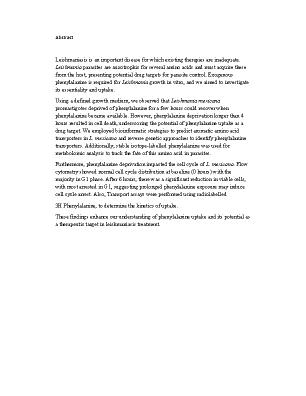
52Acquisition and metabolism of phenylalanine in Leishmania
Atefeh Fathi
University of Glasgow, School of Infection & Immunity
53Characterising the role of the transcription factor AP2-I in blood stages of the malaria parasite
Ridwan Hossain
University of Glasgow
54Identification and Imaging of Selected Proteins Predicted to Be Secreted into the Host Macrophage by Leishmania mexicana
Lauren Van den Broeck
University of Antwerp - LMPH
Belgium
55In vivo selection of a Leishmania cosmid library reveals candidate genes involved in sand fly transmission.
Solange M. GennariI
University of Sao Paulo
Brazil
56Molecular and serological detection of Toxoplasma gondii in red-headed howler monkeys (Alouatta guariba) from the state of Santa Catarina, Brazil
Jessie Jungels
University of Edinburgh
57Identifying new interactors involved in rosetting in Plasmodium falciparum malaria
Saleh Alqarni
University of Glasgow
58The extent and functional role of membrane protein interactions in Leishmania mexicana
Emma Harris
University of Glasgow
59Inducing anthelmintic resistance and optimising culture conditions in Non-Caenorhabditis elegans free-living nematode models
Yu Jing Chang
University of Glasgow
60Establishing a pipeline for structural characterisation of a mitochondrial RNA-processing complex in apicomplexan parasite Toxoplasma gondii
Evelin Goncalves
INSTITUTO BUTANTAN, CELL CYCLE SPECIAL LAB
Brazil
61Wee1 in Trypanosoma cruzi: evidence of conserved functions in cell cycle regulation and DNA damage response
Lindsay Stewart
London School of Hygiene and tropical Medicine
62The LSHTM Human Malaria Transmission Facility: an open facility for experimental transmission studies of Plasmodium parasites
Jan Jarzabek
Durham University
63Rest ASSURED: development of an isothermal diagnostic test for Cutaneous Leishmaniasis.
Ruth Cowlishaw
Liverpool School of Tropical Medicine
64Spotlighting zoonotic strongyloidiasis: A semi-systematic review of threadworms within baboons
Petra Schneider
University of Edinburgh
65Can we improve drug efficacy by taking parasite rhythms into account?
Roo Nicola Rose Cave
University of Edinburgh
66Language matters: standardised definitions can shape detection and research progress in congenital Trypanosomiasis
Joyce Nyirongo
University of Glasgow
67Plasmodium falciparum merozoite production and selectivity in red blood cell invasion in newly-adapted clones
Maria Echeverry
UNIVERSIDAD NACIONAL DE COLOMBIA
Colombia
68Investigating genes linked to innate amphotericin B tolerance in intracellular amastigotes of clinical isolates of Leishmania braziliensis
Letícia Lopes
USP/Instituto Butantan
Brazil
69Investigation of transcription start site-associated regulatory elements in Trypanosoma cruzi
Katie Hughes
University of Glasgow
70Stress-responsive RNA granule remodelling during Plasmodium Gametocytogenesis
Edem Adika
University of Dundee
71Exploring the impact of DNA replication and repair genes on drug resistance in Plasmodium falciparum
Angel Rumney
Aberystwyth University
72From Roost to Risk: Populations, pathogens, perceptions
Catherine Merrick
University of Cambridge
73L-lactate as a regulator of gametocytogenesis in Plasmodium falciparum
Tansy Hammarton
University of Glasgow
74Annotation and comparative analysis of kinetoplastid protein kinases defines core kinomes with relevance for drug discovery and reveals an evolutionary reduction in kinome size in animal-infective trypanosomes compared to their free-living ancestor
Ayesha Bell-Gam Woto
Liverpool School of Tropical Medicine
75A formative appraisal of female genital schistosomiasis (FGS) score card results against point-of-care gynaecological and molecular parasitological information within four counties of Liberia
Bethan Preece
University of Glasgow
76Power struggles: How parasite mitochondria controls infection in the host
Kristýna Jelínková
Faculty of Science, Charles University
Czechia
77Development of new screening tools to assess the risk of sand fly-borne pathogens transmission
Chloe Barnes
University of Manchester
78Chronic Trypanosoma brucei infection disrupts intestinal health
Molly Keen
University of Liverpool
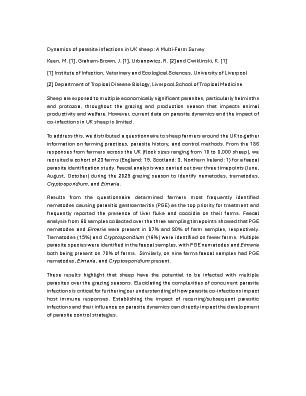
79Dynamics of parasite infections in UK sheep: A Multi-Farm Survey
Tamara Sternlieb
IZB - Unibe
Switzerland
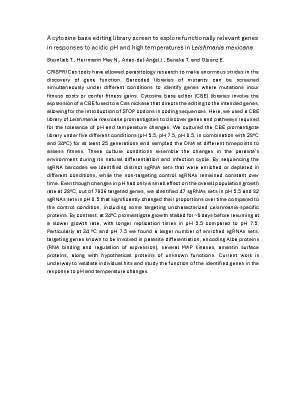
80A cytosine base editing library screen to explore functionally relevant genes in responses to acidic pH and high temperatures in Leishmania mexicana
Reena Prajpati
Special Centre For Molecular Medicine
India
81Exploring the nuclear function and autoregulatory potential of PfPGM1 in Plasmodium falciparum
Duangkamon Loesbanluechai
University of Glasgow
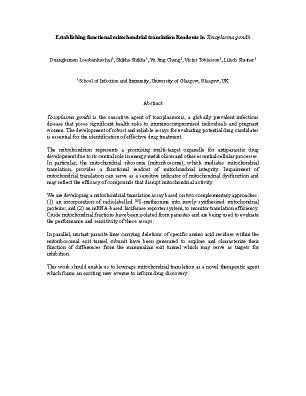
82Establishing functional mitochondrial translation readouts in Toxoplasma gondii
Abeer Mohamed
New Valley University
83Nanopore-based rapid sequencing to detect and track protozoan pathogens of concern in the food chain
Mia Ley
Aberystwyth University
84Novel environmental biomarkers for liver fluke control.
Logan Mackie
University of Strathclyde
85Repurposing morpholine and allylamine drugs as anti-Acanthamoeba agents
Lilly Atkins
University of Glasgow
86High resolution molecular approaches to tracing Cryptosporidium transmission and virulence in cattle.
Derrick Robinson
University of Bordeaux and CNRS
France
87Flagellar pocket collar biogenesis: Cytoskeleton organisation and novel structures in a unicellular pathogen
Abigail Renfree
University of Glasgow
88Dissecting the Coordination of Schizogony in Plasmodium falciparum
Julia Andersson
Swedish University of Agricultural Sciences
Sweden
89Establishing equine Caecum Organoid-derived air–liquid interface cultures for studying host–parasite interactions
Craig Christie
University of Edinburgh
90The Roslin vector-borne disease research facility: enabling whole-system studies on Tsetse flies, ticks, and cattle pathogens
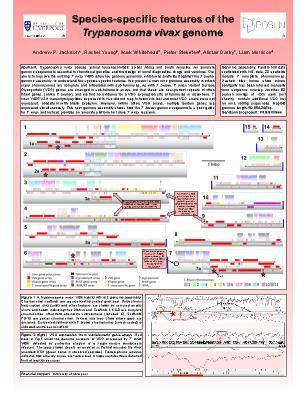
Andrew Jackson
University of Liverpool
91Species-specific features of the Trypanosoma vivax
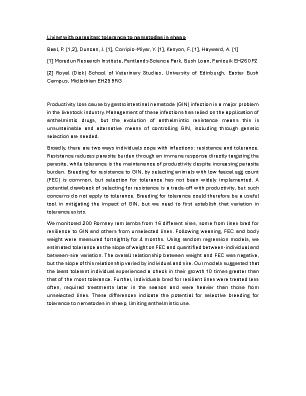
Phoebe Beal
Moredun Research Institute
92Living with parasites: exploring tolerance to nematodes in sheep
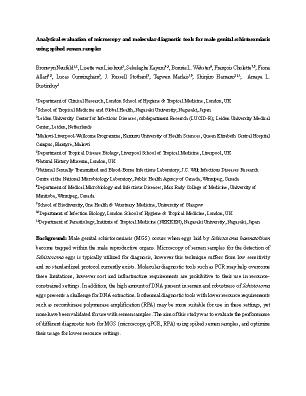
Bronwyn Neufeld
London School of Hygiene & Tropical Medicine
93Analytical evaluation of microscopy and molecular diagnostic tools for male genital schistosomiasis using spiked semen samples
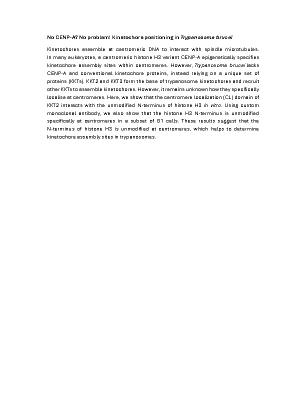
Aleksandra Ciszek
University of Edinburgh
94No CENP-A? No problem! Kinetochore positioning in Trypanosoma brucei
Cam Tu Nguyen-Phan
University of Glasgow
95Characterization of PbCARL mutations and their role in imidazolopiperazine resistance
Amar Dhanjal
CUNY-Hunter College
United States
96Elucidating the structure of open Apolipoprotein-L1 channels in lipid bilayers
Aneira Williams
University of South Bohemia
98Interactions between Pseudogymnoascus destructans, bat immunity and ectoparasite mediated transmission of blood parasites.
Naomi Riithi
University of Edinburgh
99From Blood to SkitoSnack: Artificial blood diets shape Anopheles stephensi fitness and malaria parasite development.
Aidan O'Donnell
University of Edinburgh
100Subjecting Anopheles to insane photoschedule rhythms to reveal the impact of vector rhythms on malaria development
Roem Yesil
University of Bern
Switzerland
101Characterizing the phenotypes of Leishmania dynein assembly factor mutants in two life cycle stages
Tamara Yap
London School of Hygiene & Tropical Medicine
102Investigation of malaria diagnostic performance and antimalarial resistance markers in contrasting transmission settings in Cameroon
Lucia Mrvova
Institut Pasteur
France
103Does the telomere and telomerase influence repair pathway choice during antigenic variation in African trypanosomes?
Lucy Smith
London School of Hygiene and Tropical Medicine
104Development of an isothermal assay for the detection of Schistosoma haematobium and human papillomavirus DNA in cervical samples
Andrew McCluskey
University of Glasgow
105Bulk Linkage Analysis for Single-cell Experiments (BLASE) characterises development rate of P. spp, revealing the effect of differential development.
Afnan Alhumaidi
University of Glasgow
106Gene Expression Profiling of Leishmania mexicana during Emergence from a Quiescent State
Payton Covelli
The University of Eidnbrugh
107Characterisation of novel peptides as candidates for diagnosis of schistosomiasis
Luciana De Sousa Paradela
University of Dundee
108Conditional protein complex formation in Leishmania donovani: A BromoTAG-dTAG proximity-inducing toolbox
Fatemeh Seifi
University of Strathclyde
109Leishmania mexicana protein kinase interactions
Rin Nakamura
University of Cambridge
110Ubiquitin signalling at the Plasmodium falciparum cytostome: identifying ubiquitin-binding proteins in parasite endocytosis
Samuel Duncan
The University of Glasgow
111Using RNA interference to investigate putative virulence factors of Teladorsagia circumcincta and Trichostrongylus colubriformis
Rosalind McCrone
University of Glasgow
112Treatment failure in livestock Trypanosomosis: Field drug quality analysis and validation of a portable electrochemical device for counterfeit Trypanocide detection in Northeastern Tanzania
Veronica Harris
University of St Andrews North Haugh
113Investigation of Inositol-3-phosphate synthase from Trypanosoma cruzi
Erin Gibson
University of Glasgow
114Heavy metal detoxification in Toxoplasma gondii
Sin-Ting Wong
LMPH
Belgium
115Adaptive co-evolution in visceral leishmaniasis: the role of host MIF cytokine and parasite mimicry
Siham Althaqafi
University of Liverpool
117Distribution and detection of Leishmania parasites in wild rodents in southwestern Saudi Arabia.
Lucas Cunningham
Liverpool School of Tropical Medicine
118Species hybridisation and interactions in schistosomes in Cameroon (SHIS-CAM): an overview and pilot results
Yan Bian
University of Strathclyde
119Strathclyde Minor Groove Binders (S-MGBs) with activity against Acanthamoeba castellanii
Pascale Pescher
Institut Pasteur
France
121Genomic and transcriptomic profiling of tissue-derived Leishmania donovani amastigotes identifies δ-amastins as key fitness factors in splenic infection
Yassar Kadoom
London school of hygiene and tropical medicine
122Stuck in the throat - Investigating the role of proteophosphoglycans and Leishmania development.
Rosie Fellows
University of Glasgow
123Ubiquitin E3 ligases in the Leishmania mexicana cell cycle and genome stability
Yael Dagan
University of Galsgow
124Investigating a stem-linked sensory pathway controlling female maturation in Schistosoma
Helen Sanders
University of York
125Cracking the Code: Investigating the molecular and cellular interactions of Schistosoma eggs with the host immune system
Anagha Rajesh Salvi
University of Glasgow
126Rhomboids in action: Tracking the roles of rhomboid proteases across the blood stage developmental cycle of the malaria parasite
Antony McCulloch
University of the West of Scotland
128Clustered, not scattered: understanding T. gondii’s clustered invasion behaviour
Connor Tennant
University of Glasgow, SII
129Nascent proteome dynamics in quiescent and proliferating Leishmania mexicana under purine starvation
Fernanda Sales Coelho
London School of Hygiene & Tropical Medicine
130The Schistosome and Snail Resource (SSR): Enabling Access to Live Schistosome and Snail Resources for Translational Research
Hamza Ali Abd Elati
University of Glasgow
131Functional and structural characterisation of mitochondrial complex II in Toxoplasma gondii
Sarah Rollason
Cardiff University
132The Pathology of Polyparasitism: A three year longitudinal study of parasitic coinfection in young children in Malawi
Abigail Carruthers
University of Glasgow
133A non-invasive method to investigate the wildlife reservoir of African sleeping sickness in Serengeti National Park, Tanzania
Eva Duenas
Ostrava university
Czechia
134 J-Glucosyltransferase (J-GT) Null mutant in Leishmania mexicana
Vitória Baptista
University of Glasgow
135Deciphering mitochondrial complex III in Plasmodium falciparum: the role of PfC3AP1
Mackenzie Moore
University of Edinburgh
136Assessing transmission fitness cost of drug resistance in African animal trypanosomosis
Jana Ovciarikova
University of Glasgow
138Characterisation of ER membrane complex of T. gondii
Sam Alsford
London School of Hygiene and Tropical Medicine
139Cross-talk between the aquaglyceroporins in Trypanosoma brucei
Alexandra Juhász
Liverpool School of Tropical Medicine
140Persistent intestinal schistosomiasis and progressive liver morbidity in sanctuary chimpanzees: A 12-year follow-up study on Ngamba Island, Uganda
Samson Balogun
University of East Anglia
Nigeria
141Unravelling the mechanism of GP40-mediated passive immunity against Cryptosporidiosis
Julie Kovarova
Biology Centre CAS
Czechia
142Novel elements of translation termination in trypanosomatids
Pegine Walrad
University of York
143An RBPome functional screen identifies a master regulator of Leishmania amastigote metabolism
Corey Steele
Aberystwyth University
144Ruminating Over Host-Parasite Interaction Models for Fluke Driven Immune Responses
Rose Taylor
Queens University Belfast
145Lipid Lifelines: Mapping FAR gene profiles in Phylum Nematoda
Georgina Hurle
University of East Anglia
146Cryptosporidium growth and development in monocultures – applications and limits
Luz M. Toribio
City St George's University of London
Peru
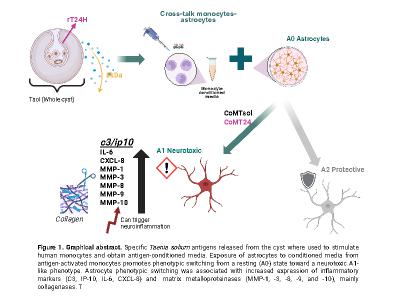
147Specific Taenia solium antigens driven astrocyte phenotypic switching and tissue remodelling in neurocysticercosis
Abdulbasit Amin
Gulbenkian Institute for Molecular Medicine
Portugal
148Direct repression of gluconeogenesis by Trypanosoma brucei
Budhaditya Mukherjee
School of Medical Science and Technology, IIT Kharagpur
India
149Synergy unleashed: Leishmania donovani GP63 paralogues cooperatively function to drive parasite infectivity at various pathogenic stages and regulate host survival mechanisms.

David Smith
Moredun Research Institute
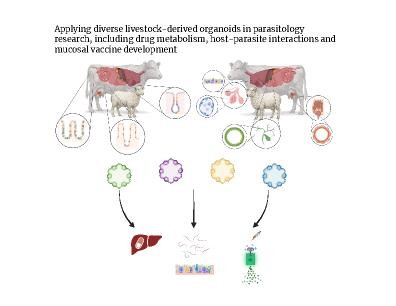
150Applying organoids in parasitology research
Miriam Garner
Moredun Research Institute
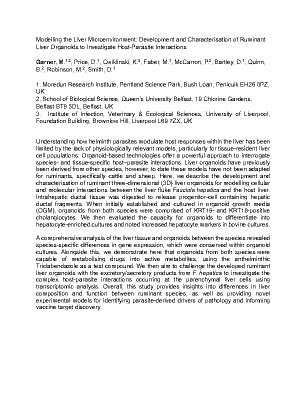
151Modelling the liver microenvironment: Development and characterisation of ruminant liver organoids to investigate host-parasite interactions
Count: 143