|
Sun12 Apr11:30am(15 mins)
|
Where:
Teaching and Learning LG03
Presenter:
|
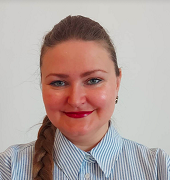
The ongoing Russian war against Ukraine is reshaping Ukrainian national literary and cultural narratives by bringing to the forefront urgent and deeply relevant themes rooted in lived experience. Among the most prominent are the traumas of war crimes, including atrocities, torture, and inhumane treatment, suffered by Ukrainians in Russian captivity. Particularly powerful are the testimonies of Ukrainian women, both civilians and military personnel, who have survived and now bear witness through literature, oral history, and artistic expression. Combining methodologies from psychiatric trauma studies, literary theory, and cultural studies, this paper investigates the emergence and evolution of trauma narratives centered on experiences of captivity, as portrayed by Ukrainian civilian and military women who were recently released from Russian detention.
Focusing on the documentary novel “Polon/Captivity” (2024) by Valeriia “Nava” Subotina and the collective volume “Vil’ni polonianky”/ Free Captive Women” (2023), edited by Valentyna Rozumenko, the study investigates how traumatic memory is represented, mediated, and transmitted through literary form. These texts not only document personal suffering but also function as acts of witness and resistance, transforming lived trauma into testimonial literature. By situating these narratives within broader frameworks of memory, identity, and national war trauma, this paper explores how they contribute to both individual healing and the construction of a collective cultural memory of the war. Ultimately, the study positions these works within the expanding canon of contemporary trauma literature shaped by the ongoing Russia’s war against Ukraine, foregrounding the vital role of women’s voices in articulating the psychological and cultural aftermath of captivity.